
 return
Yintai Salon (Issue 3) | Chiang Kai shek's Emotional World: Hometown and Family Affection
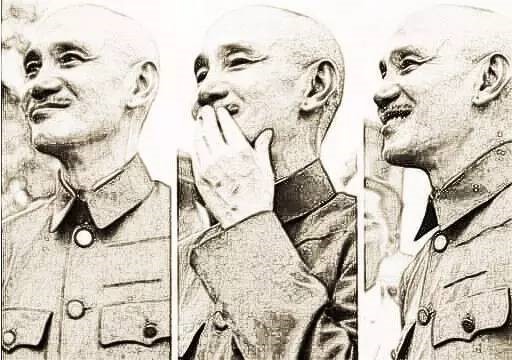
As an important figure who influenced the process of modern Chinese history, what kind of personality did Chiang Kai shek possess? How did the once stubborn young man in the eyes of the Fenghua people grow into a leader who led the Chinese nation to resist foreign aggression?
Chiang Kai shek left home at a young age and fought in various directions, but his hometown was also his spiritual home. After three setbacks and stepping down, Chiang immediately returned to Xikou, Fenghua to relieve pressure and seek a comeback. After 1949, Chiang Kai shek never had the opportunity to get close to his homeland again. What complex emotions did Chiang Kai shek have about his hometown?
Jiang once said in his diary: "In a lifetime, love is only for the mother and the ears of the wife. Apart from parents and wives, there is no one who is sincere in treating oneself. This is a common human emotion." What influence did the upbringing of orphans and widows in his early years have on Chiang Kai shek's character shaping? How did the union with Madame Soong Mei ling, who had a love that she had never experienced before, shape Chiang Kai shek's life? What is the historical status of the three major families of Jiang, Song, and Kong, who have kinship relationships? What impact did family ties have on the politics, economy, diplomacy, and people's lives of the Chiang Kai shek regime?
As historical figures drift away from us, restoring their emotional lives and exploring their inner worlds may be the best way for us to get closer to history. In this issue of the Yintai Salon, renowned Jiang scholars from both domestic and international backgrounds are invited to depict the emotional world of Chiang Kai shek as an ordinary person, and to understand his influence on the fate of the country and the nation as a politician.
▼
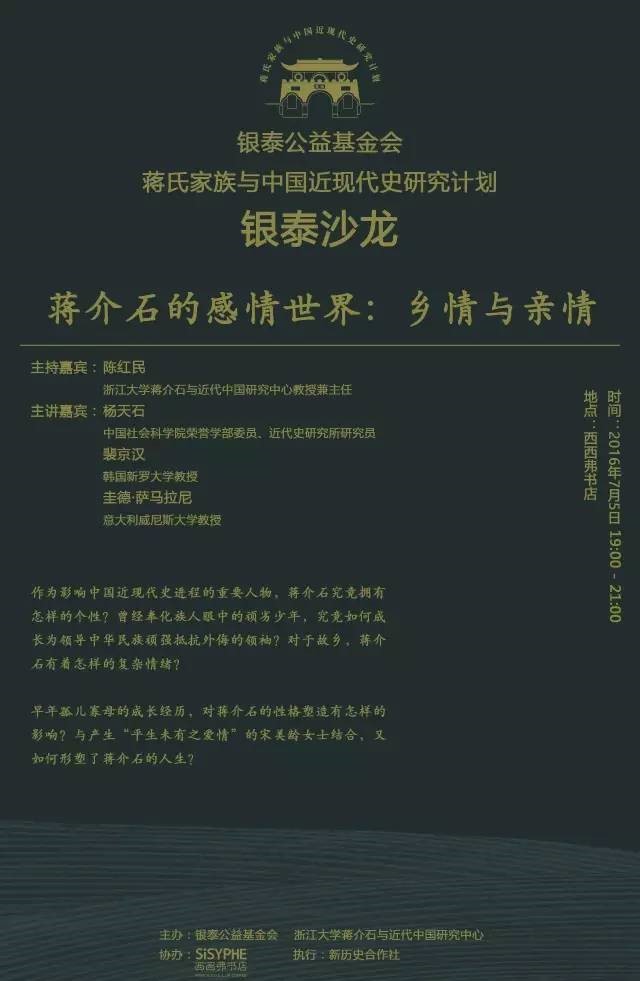
· Host: Chen Hongmin
· Speaker: Yang Tianshi, Pei Jinghan, Guide Samarani
▼
· Host:
Yintai Public Welfare Foundation "Jiang Family and Modern Chinese History Research Program"
&bsp; Zhejiang University Center for Chiang Kai shek and Modern China Studies
· Co organizer:
Hangzhou Xixifu West Lake Intime Store
· Execution:
New History Cooperative
▼
Time and location
· Time: July 5, 2016 (Tuesday) 19:00-21:00
· Location: Xixifu Bookstore (B1 Floor, West Lake Yintai City, Hangzhou)
▼
Guest Introduction
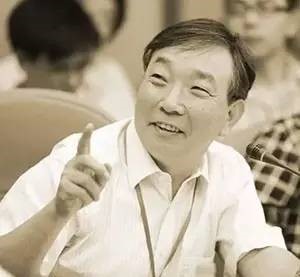
Chen Hongmin
Professor and Director of the Center for Chiang Kai shek and Modern China Studies at Zhejiang University, and Academic Committee Member of the "Chiang Family and Modern Chinese History Research Program" of Yintai Public Welfare Foundation.
Mainly engaged in teaching and research of modern Chinese history, the history of the Republic of China, and contemporary Taiwanese history, and has written "Biography of Hu Hanmin", "Taiwan Political Storm", "Complete Biography of Chiang Kai shek", "The Second Half of Chiang Kai shek's Life", etc.
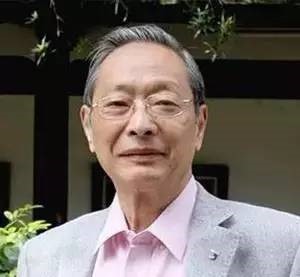
Yang Tianshi
Honorary member of the Chinese Academy of Social Sciences, professor at the Graduate School, researcher at the Institute of Modern History, and chief scholar of the "Jiang Family and Chinese Modern History Research Program" of Yintai Public Welfare Foundation.
Long term dedicated to the study of Chinese cultural history and modern Chinese history, particularly skilled in the history of the Republic of China, the Kuomintang, and Chiang Kai shek. He has written more than 20 books, including "Searching for the Real Chiang Kai shek - Interpretation of Chiang Kai shek's Diary", "Chiang Kai shek's Secret Files and the Truth about Chiang Kai shek", "From Imperialism to Unity", and "Records of Overseas Visits".
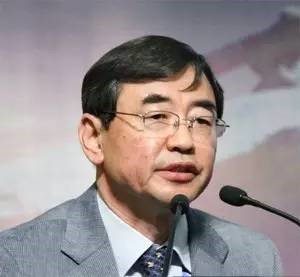
Pei Jinghan
Pei Jinghan is a professor at Silla University in South Korea.
Engaged in long-term research on the history of the Republic of China, representative works include "Analysis and Research on the Chinese National Revolution" (co authored), "Research on Chiang Kai shek", "The History of the Republic of China from Korea", "Sun Yat sen and Korea", "Research on Wang Jingwei: The Turmoil of Modern Chinese Nationalism", etc.
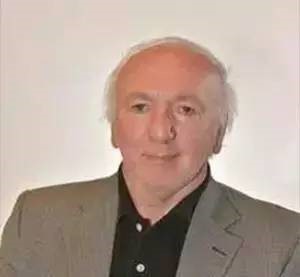
Guido Samarani
Professor at the University of Venice, Italy.
Famous Italian scholar of modern Chinese history and the history of the Republic of China, and expert in the study of Sino Italian relations in modern times. He has written books such as "20th Century China: From the End of Empires to the Present" and "Stupa and Skyscraper: China in the Gap between Modernization and Historical Heritage".